
 Language
 English
 русский
 Deutsch
 عربى
 Tiếng Việt
 Türk
 ไทย
 italiano

CNC Gantry Machining Center
-
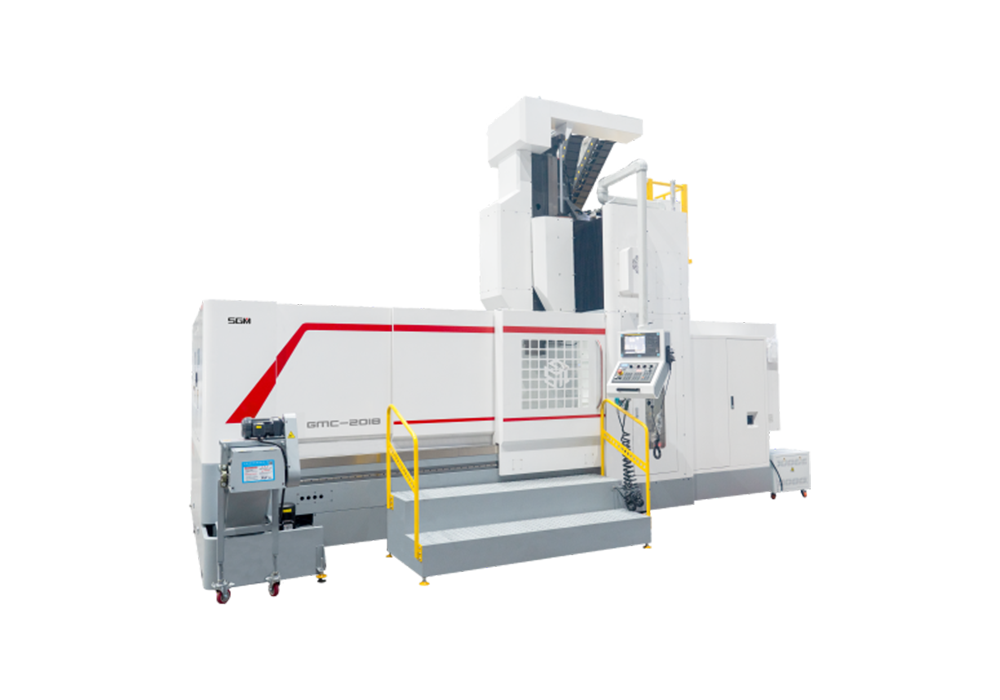 GMC-2018
 High Rigidity Gantry Machining Center
-
 GMC-2518
 Large Travel Gantry Machining Center
-
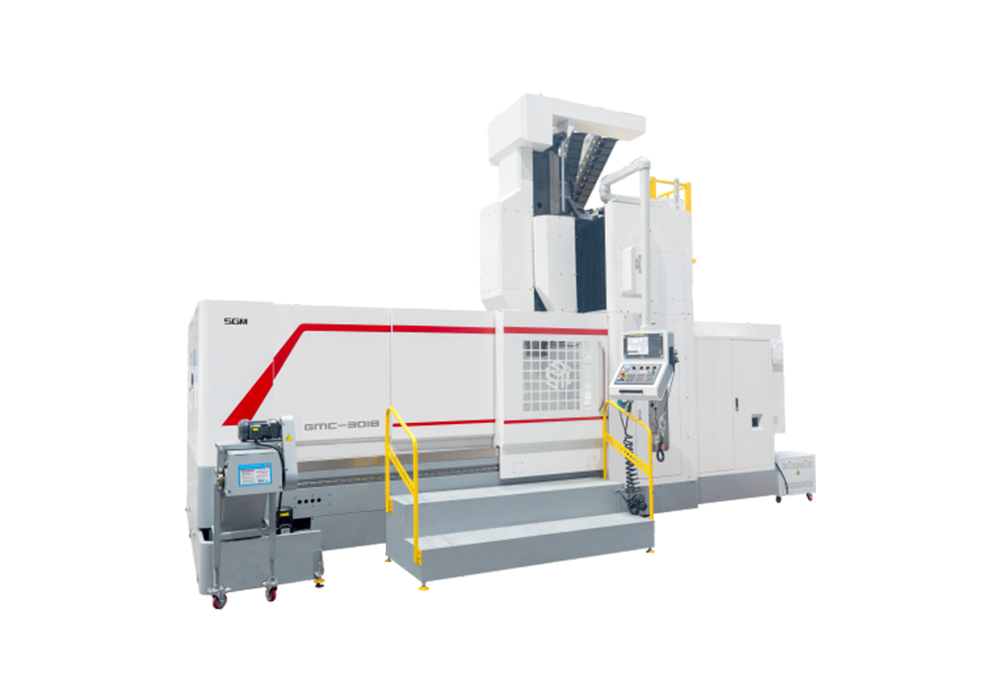 GMC-3018
 Heavy Load Capacity Gantry Machining Center
-
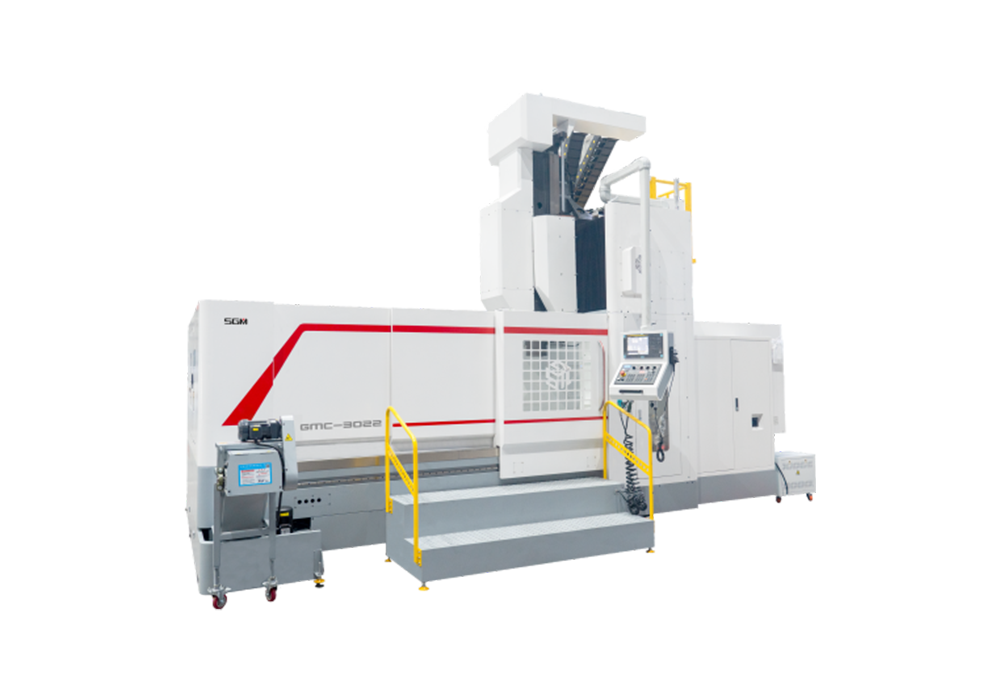 GMC-3022
 Large Workpiece Gantry Machining Center
-
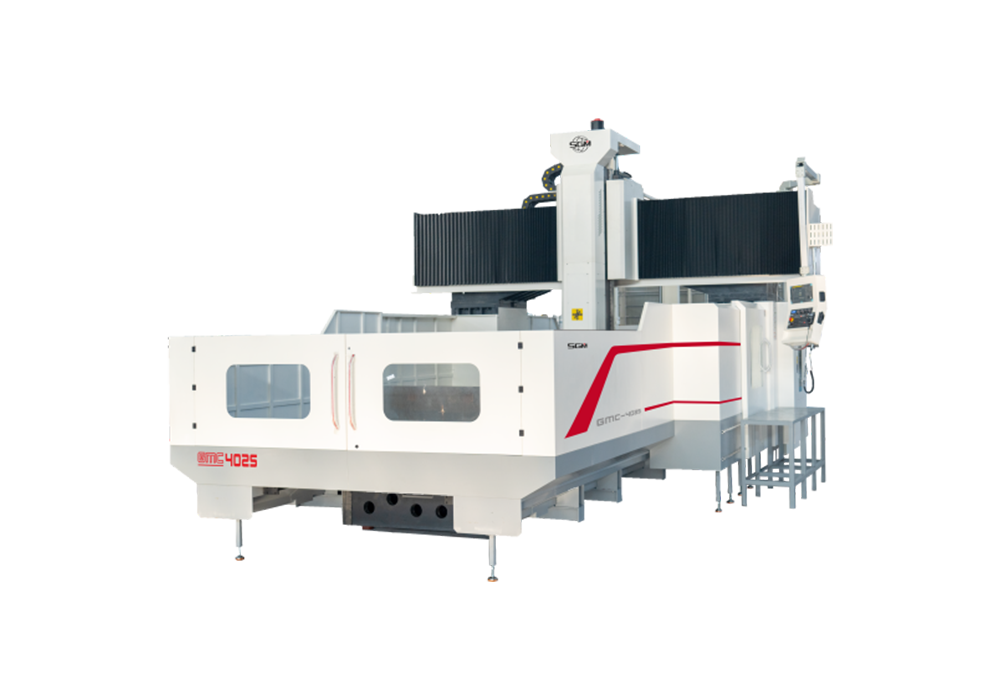 GMC-4025
 Generous Working Stroke Gantry Machining Center
-
 GMC-4032
 Wide Working Range Gantry Machining Center
-
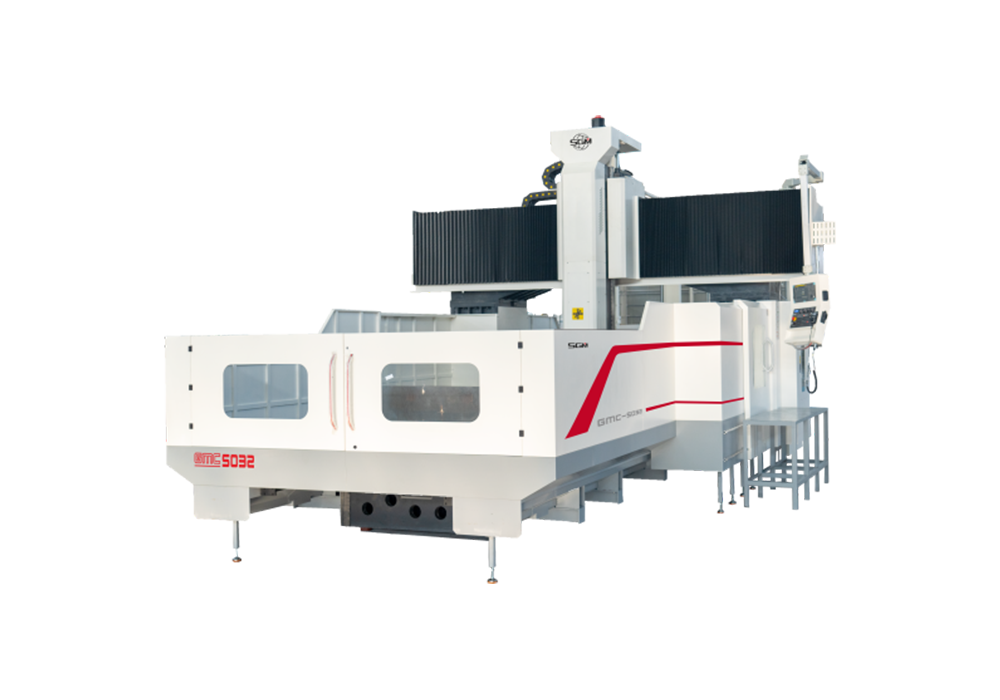 GMC-5032
 Spacious Machining Envelope Gantry Machining Center
-
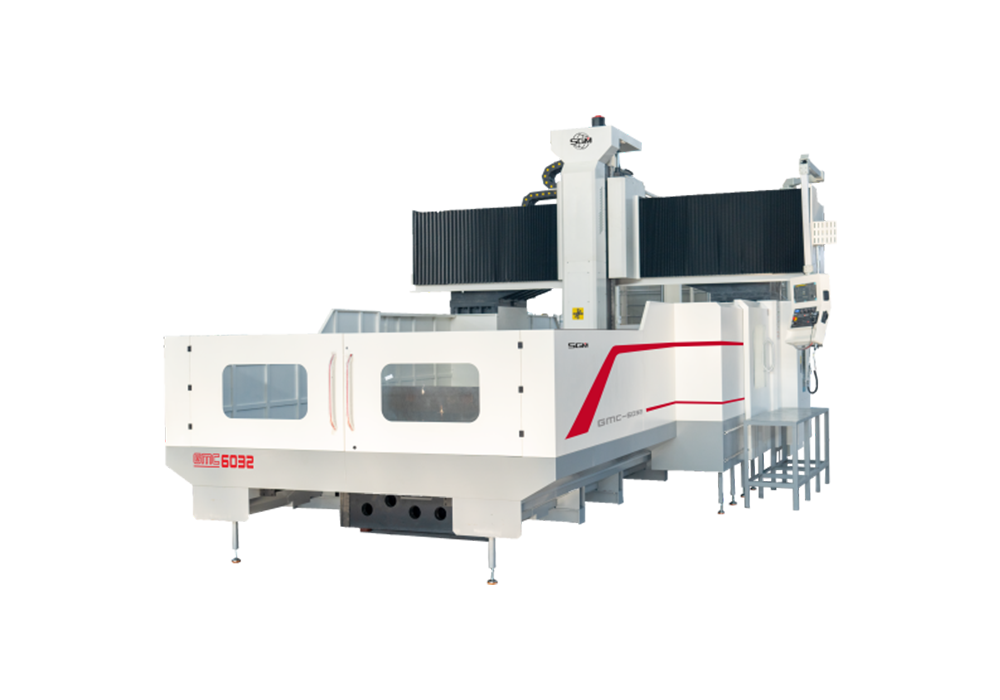 GMC-6032
 Extra Large Workpiece Gantry Machining Center
-
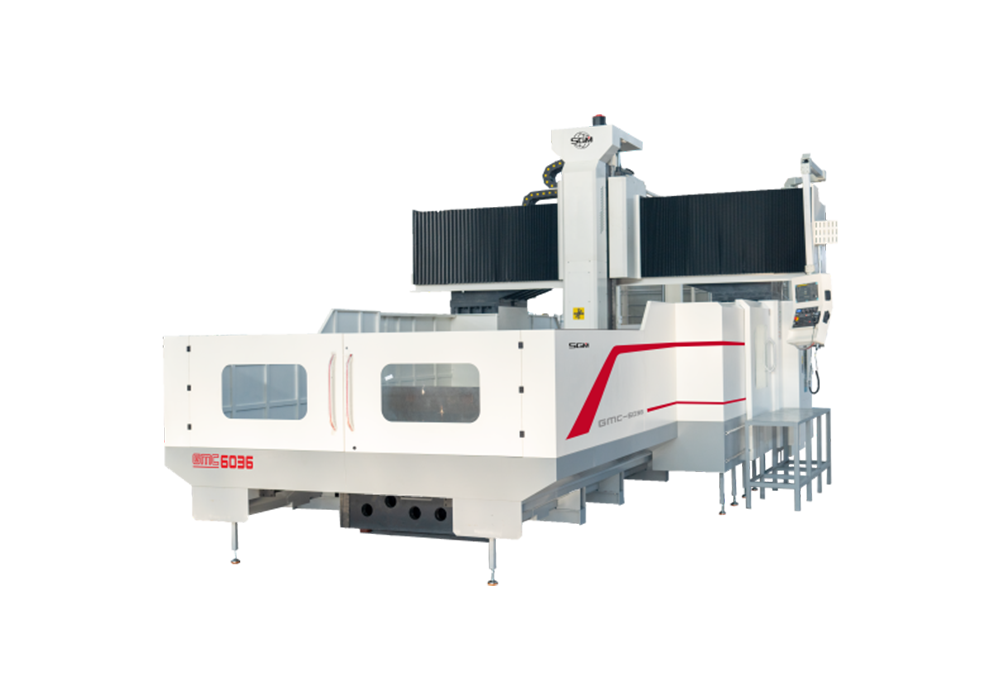 GMC-6036
 Oversized Part Processing Double Column Gantry Machining Center
Fixed-beam gantry machining centers are the core Class 1 product category of our large CNC equipment. They are gantry-frame composite CNC milling and boring machines with a fixed non-liftable crossbeam, and the worktable realizes longitudinal feed motion.
With advantages of long travel, heavy load capacity and high structural rigidity, these machines can complete combined machining procedures such as milling, drilling, boring, tapping, curved surface finishing and deep cavity roughing for large plates, box parts and molds. They are widely used for machining large workpieces including heavy-duty molds, construction machinery components, large new energy structural parts and automation equipment frames. The product range is divided into three tiers: economical fixed-beam gantry machines, precision linear guideway fixed-beam gantry machines, and heavy-cutting box-way fixed-beam gantry machines. Complete machine design, precision inspection and safety specifications are implemented in strict accordance with national industry standards for machine tools.
All models have obtained EU CE certification to meet export requirements for EU markets.
SGM is the core brand of Stuttgart CNC Equipment (Anhui) Co., Ltd. As the original manufacturing base for the SGM brand, Stuttgart is a specialized high-end equipment manufacturer dedicated to the R&D, design and production of CNC gantry, vertical and horizontal machining centers. The gantry machining center manufacturer & supplier brings together top-tier technical talents and builds a well-structured professional talent pipeline, focusing on the R&D and iteration of a full portfolio of high-end CNC equipment. Its gantry type CNC milling machine products are widely applied in high-end manufacturing sectors including automotive, mold making, shipbuilding and medical devices.
Certificates and Honours
-
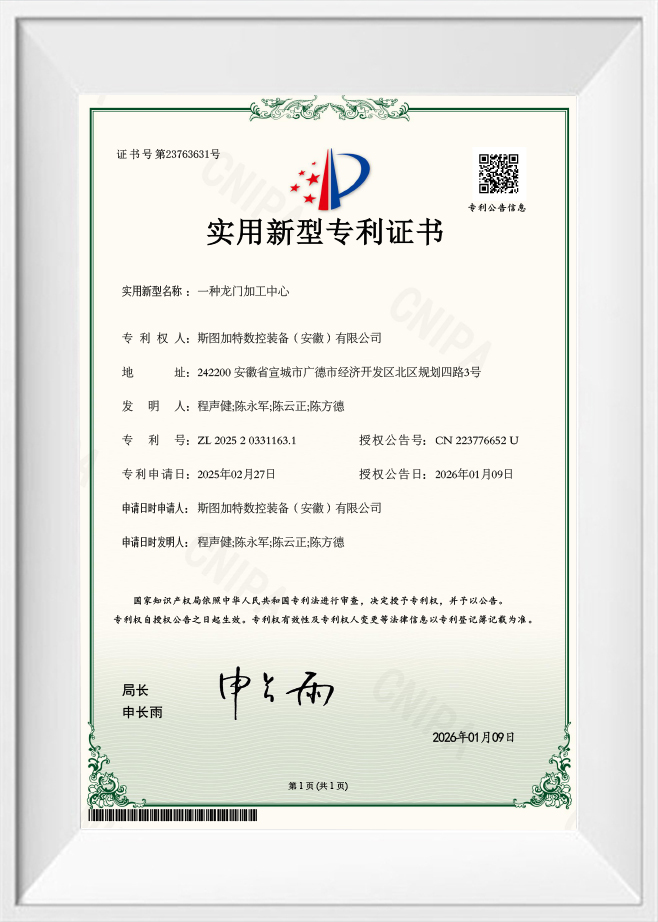 Utility Model Patent Certificate‑Gantry Machining Center
-
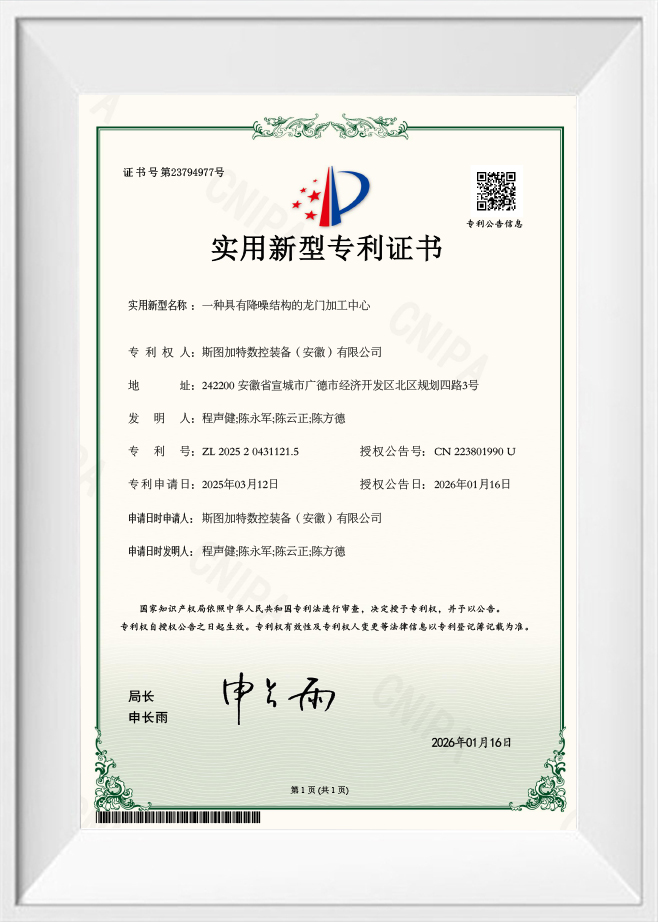 Utility Model Patent Certificate‑Gantry Machining Center With Noise‑Reduction Structure
-
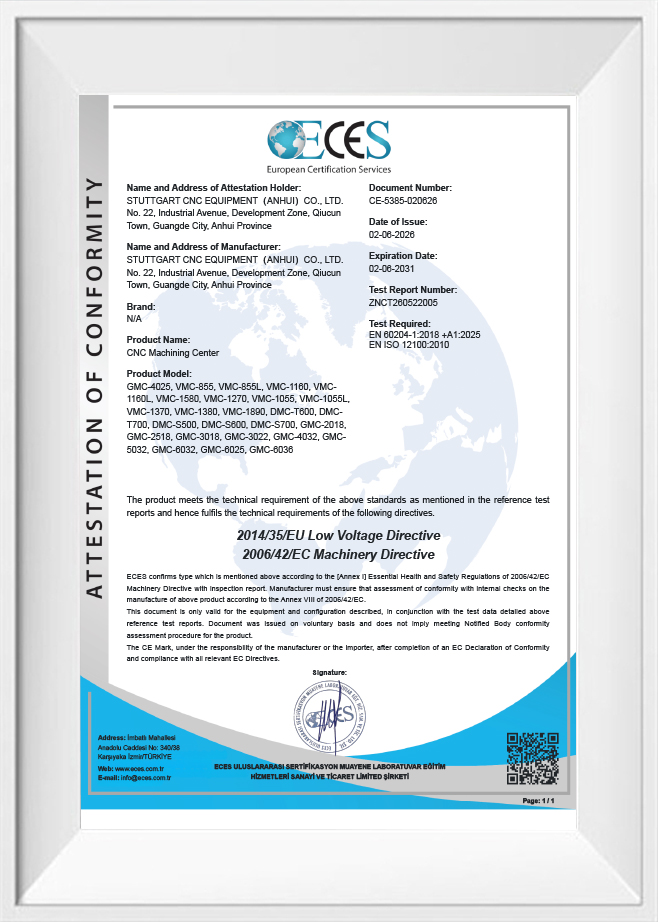 CE certification
Fixed-Beam Gantry Machining Center: Structure, Applications, and Selection Guide
Heavy metal parts need a frame that holds the workpiece steady while the cutter does its job. A fixed-beam gantry machining center handles this with a gantry frame, a crossbeam that stays put, and a motion system that moves the tool and the workpiece relative to each other. Whether it suits your shop depends on rigidity, spindle performance, table capacity, axis travel, and the accuracy you need. This guide walks through how these machines are built and run, and how to judge whether one fits mold components, machine bases, structural parts, or other large workpieces.
What Is a Fixed-Beam Gantry Machining Center?
A fixed-beam gantry machining center is a CNC machine tool whose crossbeam is locked to a pair of supporting columns. The spindle head slides along that beam, and the other axes provide the remaining motion needed to cut the part.
A common layout pairs a moving worktable with a fixed gantry. The table travels along the length of the machine, the spindle assembly moves across the beam, and the spindle or ram moves up and down.

The machine handles milling and other suitable operations within its working envelope. What it can actually do depends on the spindle, axis setup, tooling, controller, and the specifications of the specific model.
How Does a Fixed-Beam Gantry Machining Center Work?
Machining follows a digital path from design to inspection:
- Part design: CAD software defines the geometry, along with holes, slots, pockets, and other features.
- Toolpath programming: CAM software generates cutting paths based on the model, cutters, material, and strategy.
- Workpiece setup: The part is clamped to the worktable with fixtures or other workholding.
- Coordinate setting: The operator establishes the work coordinate system, checks tool offsets, and confirms clearances.
- CNC machining: The controller drives the spindle and axes through the programmed cuts.
- Inspection: The finished part is measured against the drawing for dimensions, geometry, and surface finish.
The fixed crossbeam gives the machine a stable reference, but accuracy comes from the whole system. Guideway alignment, transmission precision, spindle condition, workpiece support, temperature changes, and cutting forces all play a part.
What Are the Main Components of a Fixed-Beam Gantry Machining Center?
Several subsystems cooperate to support the part, guide the tool, and keep the geometry consistent:
- Machine bed and base: Carry the structure, guideways, and worktable. Their stiffness and stability influence axis alignment and repeatability.
- Gantry columns: Support the crossbeam and send machining loads down into the base.
- Fixed crossbeam: Anchors the transverse spindle-head motion. Its resistance to bending and twisting determines how well the tool holds its position under load.
- Spindle head and ram: Hold and position the spindle and cutter. Travel, rigidity, and extension affect reach and cutting stability.
- Worktable: Supports and positions the part. Table size, load capacity, travel, and clamping layout set the range of parts you can run.
- Linear guideways and transmission: Guide each axis and turn drive motion into controlled positioning. Designs vary and may use linear guideways, ball screws, rack drives, or other mechanisms.
- CNC control system: Runs the program and coordinates axis movement, spindle commands, and other supported functions.
- Cooling and chip removal: Manages heat and clears chips based on the material and process.
Models differ in configuration. Automatic tool changers, probing systems, rotary axes, and specialized spindle heads depend on how a machine is built, so don't assume they come standard.
How Does a Fixed-Beam Gantry Machine Differ from Other CNC Machine Structures?
Gantry machines combine fixed and moving parts in different ways. The right choice depends on part size, weight, required clearance, and how the machine will be used.
| Comparison Factor | Fixed-Beam Gantry Machining Center | Moving-Beam Gantry Machining Center | Conventional Vertical Machining Center |
| Main Structure | Crossbeam fixed to the columns | Crossbeam can move, depending on design | Usually a column and vertical spindle |
| Workpiece Movement | Often a moving worktable | May use a moving table or another arrangement | Usually a worktable within a smaller envelope |
| Working Envelope | Set by table travel, axis travel, and fixed clearances | Adjustable clearance on designs with a vertically moving beam | Set by table, column, and axis layout |
| Typical Applications | Large plates, mold bases, machine components, structural parts | Work needing variable beam height or flexible clearance | Smaller parts within the machine's envelope |
| Key Selection Factors | Table capacity, fixed clearance, rigidity, travel | Beam travel, positioning, structural design, clearance | Table size, spindle capability, axis travel, part weight |
A fixed beam keeps the structure stable because the beam doesn't move during cutting. The trade-off is a set beam height, so check part height and tool clearance carefully.
A moving-beam design handles parts of varying height more flexibly. A conventional vertical machining center usually makes more sense for smaller parts. These are general differences, and actual performance depends on each machine's engineering.
What Materials and Applications Suit a Fixed-Beam Gantry Machining Center?
A fixed-beam gantry machining center can cut a range of metals, as long as the structure, spindle, tooling, and cutting parameters match the material and the operation. Common work includes large components, mold bases, industrial machine parts, and any workpiece that needs a large machining area.
Material compatibility depends on part size, weight, cutting forces, tolerances, and surface finish requirements, so evaluate them together.
Which Materials Can a Fixed-Beam Gantry Machining Center Process?
Each material puts different demands on the spindle, structure, tools, and cooling.
| Material | Typical Applications | Key Machining Considerations |
| Aluminum Alloys | Structural parts, housings, plates, tooling components | Chip evacuation, cutting speed, tool engagement, built-up edge |
| Carbon Steel | Machine frames, plates, fixtures, industrial components | Cutting forces, spindle torque, tool wear, structural rigidity |
| Alloy Steel | Mechanical parts, tooling, selected mold components | Tool grade and cutting parameters matched to hardness and heat treatment |
| Cast Iron | Machine bases, industrial housings, some equipment parts | Abrasive wear, chip character, workpiece support, chip management |
| Stainless Steel | Corrosion-resistant and selected industrial parts | Heat buildup, work hardening, tool wear, cooling needs |
| Titanium Alloys | Specialized parts where machine capability and process conditions allow | Cutting forces, heat concentration, tool life, cooling strategy |
This list shows what a machine may be able to cut, not what every model can handle under the same conditions. Hardness, heat treatment, part geometry, cutter design, and the required removal rate all determine whether a given setup works.
What Machining Operations Can a CNC Gantry Machining Center Perform?
Depending on its spindle, tooling, axis configuration, and controls, a CNC gantry machining center can handle these operations:
- Face milling: Removes material to reach a target flatness or finish. Results depend on machine geometry, cutter choice, parameters, and support.
- End milling: Cuts slots, shoulders, pockets, and contours. Tool diameter, overhang, engagement, and chip evacuation all affect stability.
- Drilling and boring: Creates new holes and refines existing ones when the spindle, tooling, and positioning support the required dimensions.
- Slot and pocket milling: Cuts grooves and recesses along programmed paths. Deep pockets need extra attention to tool reach, chip clearance, and deflection.
- Contour milling: Follows programmed profiles for internal and external shapes. Achievable geometry depends on cutter access, travel, toolpath strategy, and tolerance.
- Multi-surface machining: Works on several faces or orientations when the axis setup, workholding, and tool access allow. Some geometries call for rotary axes or specialized heads.
Some setups let you complete several operations in one clamping, which cuts down on repositioning and keeps features in the right relationship to each other. How many operations you can finish in one setup depends on the machine design and tooling.
Which Industries Use Fixed-Beam Gantry Machining Centers?
Fixed-beam gantry machines suit work that needs a large working area, controlled material removal, or machining across several faces.
Mold and die manufacturing: Mold bases, die components, and large tooling plates often need face milling, pocket machining, drilling, and contouring. The machine needs enough table size, spindle power, tool access, and structural stability for the material and geometry.
Heavy machinery and industrial equipment: Machine bases, mounting structures, large plates, and equipment components often require solid workpiece support and long axis travel. Table capacity, clamping, and weight distribution are key factors.
Automotive and mechanical manufacturing: Fixtures, tooling components, structural parts, and large machined housings can benefit from gantry machining when they're too large for a conventional vertical machining center.
Energy and infrastructure equipment: Some components for industrial energy systems and infrastructure machinery are large, heavy, and demanding to cut. Suitability depends on the specific part, the machine configuration, and the process.
General precision component manufacturing: Gantry machines also handle large parts with multiple features, such as mounting faces, slots, holes, and contours. Meeting the required accuracy depends on the machine's specifications and the full process.
Why Are Workpiece Size and Weight Important?
A gantry machine's usable envelope depends on more than its table dimensions. Axis travel, spindle-head clearance, fixture height, tool length, and part geometry all determine whether a component can be machined.
Weight matters just as much. The combined load of the part, fixtures, and workholding has to stay within the rated capacity. How that load sits on the table, and where the support points are, also affects deflection and stability.
A large steel plate may fit on the table but still need extra supports to prevent sagging. A tall part may fit the table yet hit the clearance under the fixed crossbeam. Always evaluate the full setup, not just the table size.
How to Choose a High Stability CNC Machining Center?
Choosing a high-stability CNC machining center means checking how the machine structure, the workpiece, the cutting process, and the required quality all fit together. Stability doesn't come from one component or one specification. It comes from how the frame, spindle, motion system, workholding, and operating conditions behave as a whole.
Working through the checks below will show whether a fixed-beam gantry configuration is the right fit.
Which Technical Parameters Should Be Evaluated?
The following specifications give you a practical way to compare a gantry-type milling machine against your task.
- Machine Structure and Rigidity
The bed, columns, fixed crossbeam, ram, and spindle head carry the main loads. Their stiffness determines how the machine responds to cutting forces.
Insufficient rigidity leads to vibration, chatter, dimensional drift, and poor finish. For heavy milling, review the structural design and confirm it can handle your planned cutting loads.
A fixed beam removes beam movement from normal cutting, but it doesn't eliminate deflection. Column stiffness, beam geometry, spindle extension, foundation conditions, and workpiece support all still influence the result. - Spindle Speed, Power, and Torque
Speed, power, and torque decide which cutters and strategies the machine can run well.
High spindle speeds suit smaller cutters and some finishing passes. Larger cutters and heavy material removal need enough torque and power at the speed you'll actually run.
Look at material, cutter diameter, cutting speed, feed rate, depth of cut, and expected forces together. A high speed or rated power alone doesn't prove the spindle is right for every milling job. - Axis Travel and Working Envelope
Axis travel sets how far the tool and workpiece can move. The usable envelope also depends on part size, fixture height, tool length, and clearance around the spindle head.
Compare X, Y, and Z travel with your actual part and strategy. Confirm part height under the fixed crossbeam, and check that the tool can reach every feature without interference. - Worktable Size and Load Capacity
The table must carry the workpiece and fixtures through the entire cycle. Review the rated load, how weight is distributed, clamp positions, and table movement under the total weight.
On a moving table, a heavier load means the drive has more mass to accelerate and control. Evaluate table size and load capacity alongside axis performance. - Positioning Accuracy and Repeatability
Positioning accuracy is how closely an axis reaches a commanded point under specified conditions. Repeatability is how consistently it returns to that point during repeated moves.
Neither number alone sets the final accuracy of a machined part. Tool wear, spindle runout, thermal expansion, workpiece deformation, cutting forces, and setup errors all add variation.
When precision matters, check the measurement conditions behind the specifications and compare them with the tolerance your part actually requires. - Thermal Stability and Vibration Control
Temperature changes can shift the dimensions of the machine, spindle, cutters, and workpiece. Long cycles and demanding finishing passes are especially sensitive to thermal drift.
Vibration affects surface quality, tool life, and dimensional consistency. Structural stiffness, tool overhang, cutting parameters, workholding, and the condition of machine components all play a role.
For a high-stability machine, assess thermal management and vibration control as part of the whole machine and process, not as a single line on a spec sheet. - CNC Control System and Tooling Configuration
The controller must support the programming functions and motion coordination your operations need. Tool interfaces, spindle options, tool-change arrangements, and accessories all affect whether a machine fits your work.
Cooling and chip removal should match the material and process. Good chip management matters in deep pockets, long cycles, and any operation where recut chips could damage the surface or the cutter.
How Do Different Machining Tasks Affect Machine Selection?
Each type of work places different demands on a gantry machining center. This table shows where to start:
| Machining Task | Main Selection Priorities | Points to Verify |
| Large structural components | Working envelope, table capacity, rigidity, axis travel | Workpiece support, fixture clearance, movement under load |
| Mold bases and mold components | Flatness requirements, spindle capability, tool access, thermal stability | Pocket depth, surface finish, dimensional tolerances |
| Heavy-duty metal milling | Structural stiffness, spindle torque, power, chip removal | Cutting forces, tooling compatibility, clamping |
| Precision multi-surface machining | Positioning performance, workholding, tool access, control functions | Datum relationships, achievable tolerances, required axis setup |
| Large plates and industrial bases | Table dimensions, load distribution, travel, machining range | Plate support, surface geometry, access to all features |
These categories overlap. One part might need heavy roughing, precision finishing, deep-hole drilling, and multi-face work. In that case, judge the machine against the whole process, not one operation at a time.

- No.22, Industrial Avenue, Qiucun Town, Guangde City, Xuancheng City, Anhui Province, P.R.China
- +86-13185627261
- stgtcnc@163.com
Copyright © SGM Rights Reserved.
 High Stability CNC Machining Center