
 Language
 English
 русский
 Deutsch
 عربى
 Tiếng Việt
 Türk
 ไทย
 italiano

CNC Drilling & Tapping Center
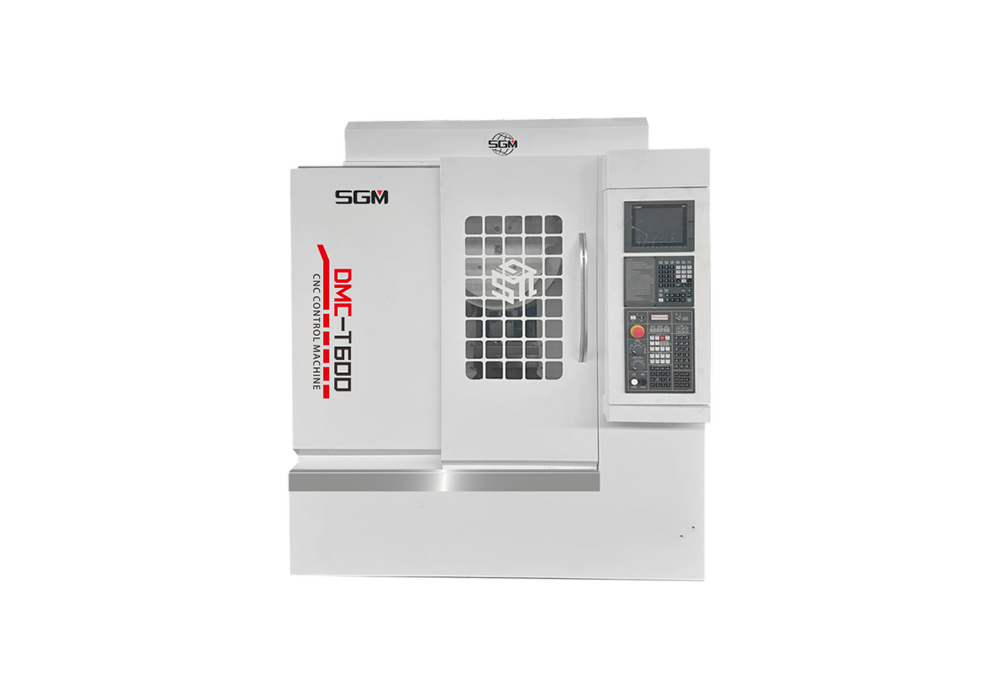
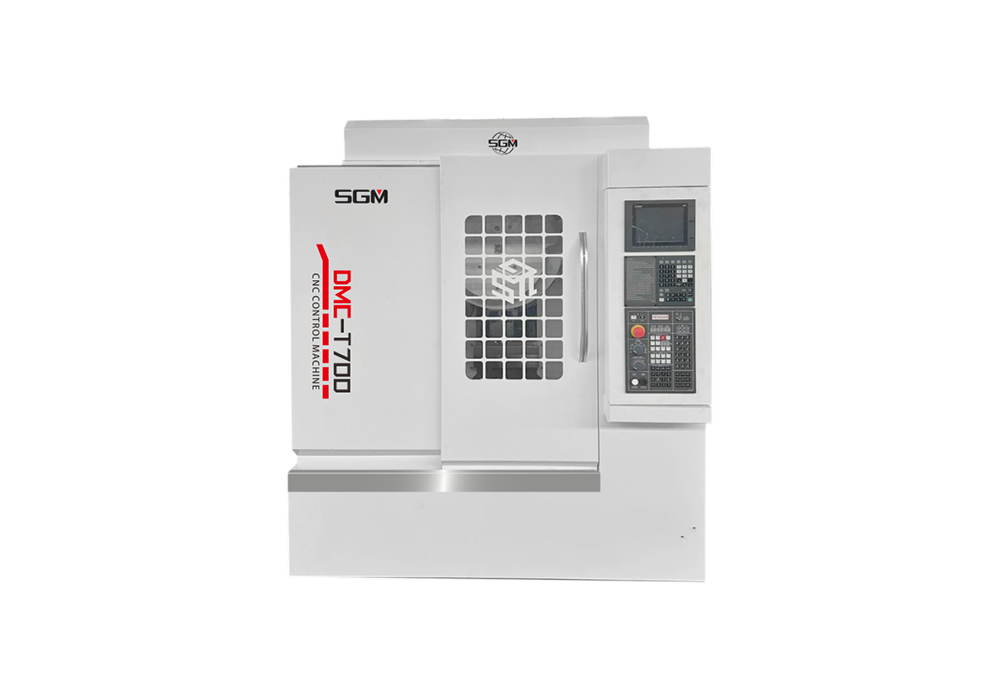
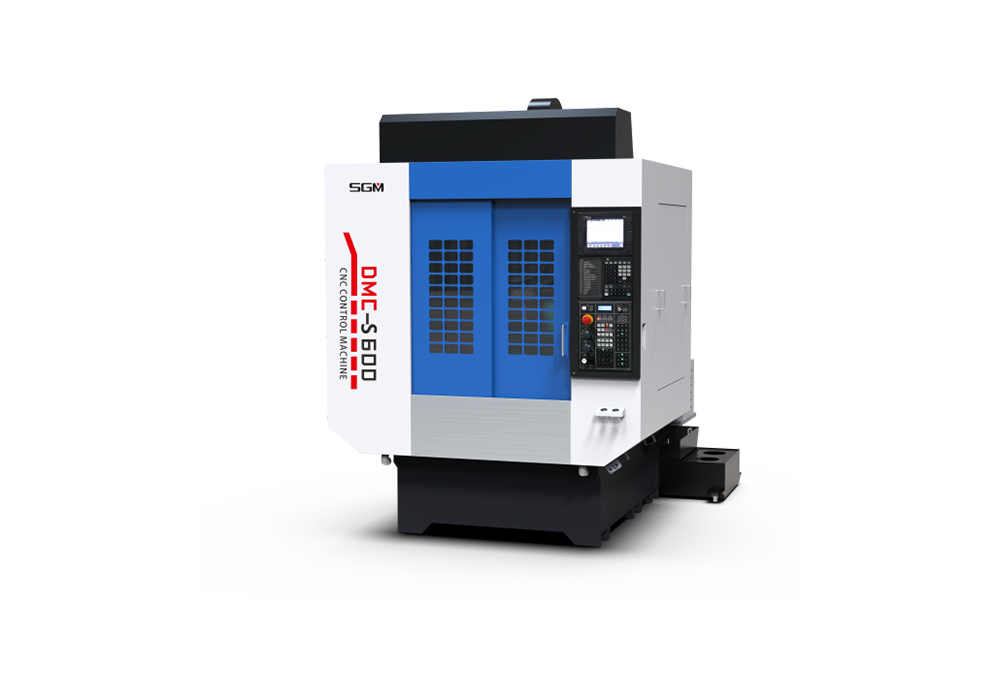
CNC drilling and tapping centers constitute the core Class 1 product category of our CNC equipment. They are high-speed 3-axis vertical integrated drilling-milling machines equipped with vertically oriented spindles. Focused on core processes of high-speed drilling and tapping, they also perform milling, chamfering, boring and finish machining of small curved surfaces.
Designed for high-speed mass processing of small workpieces, they serve as the mainstream production equipment for industries including 3C electronics, precision die castings and small hardware parts. The full product line features high spindle speed, rapid tool change and high production tact, divided into three product tiers: standard drilling-tapping machines, extended-travel drilling-tapping machines and high-rigidity heavy-duty drilling-tapping machines. The overall precision and safety specifications of complete machines fully comply with relevant national standards for machine tools.
All models have acquired EU CE certification to satisfy export requirements for EU markets.
SGM is the core brand of Stuttgart CNC Equipment (Anhui) Co., Ltd. As the original manufacturing base for the SGM brand, Stuttgart is a specialized high-end equipment manufacturer dedicated to the R&D, design and production of CNC gantry, vertical and horizontal machining centers. The CNC drilling and tapping machine supplier brings together top-tier technical talents and builds a well-structured professional talent pipeline, focusing on the R&D and iteration of a full portfolio of high-end CNC equipment. Its drilling and tapping machine products are widely applied in high-end manufacturing sectors including automotive, mold making, shipbuilding and medical devices.
Certificates and Honours
-
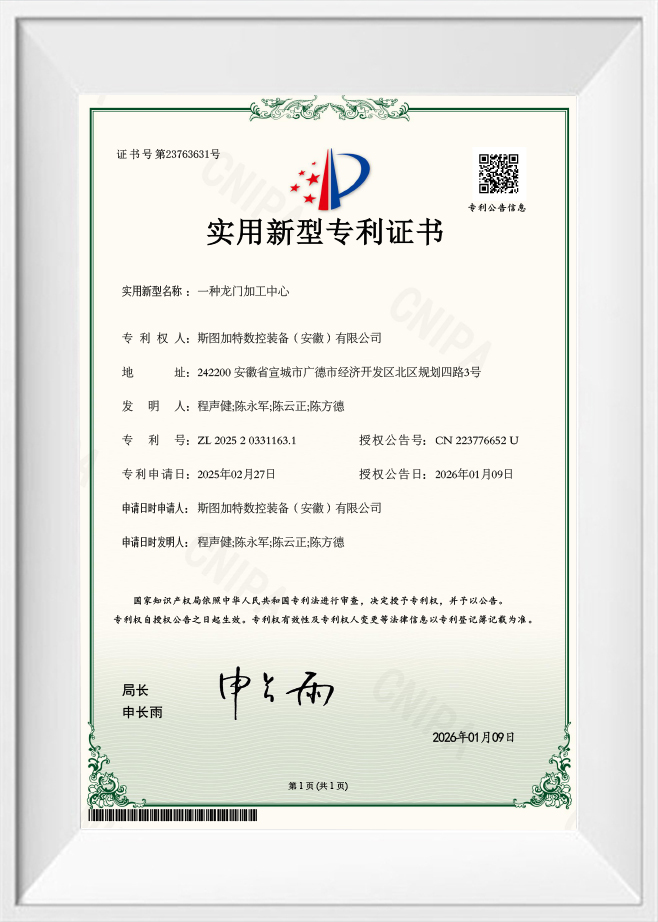 Utility Model Patent Certificate‑Gantry Machining Center
-
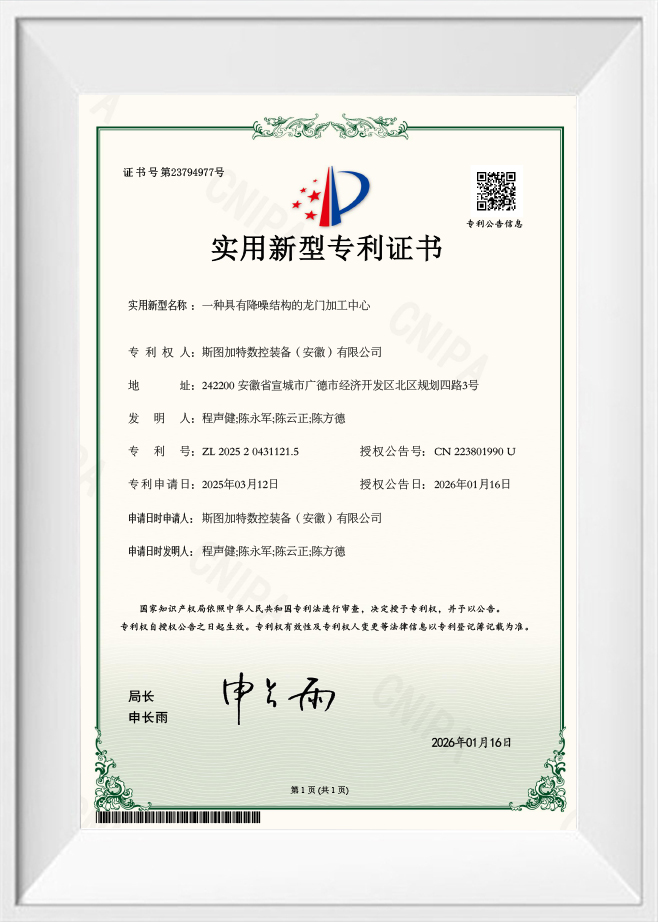 Utility Model Patent Certificate‑Gantry Machining Center With Noise‑Reduction Structure
-
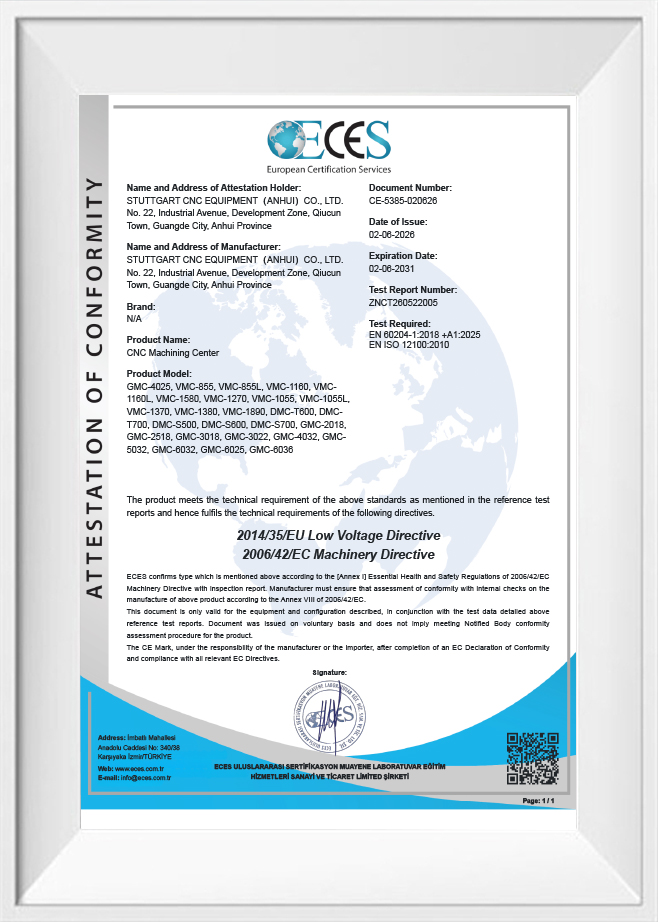 CE certification
CNC Drilling and Tapping Machine: Working Principles, Applications, and Selection Guide
Making holes and threads sounds simple until you need hundreds of them in the same place, every time. A CNC drilling and tapping machine handles both steps in one automated process, following programmed coordinates and tool sequences. That means less hands-on work and more consistent results from part to part. This guide explains how the machine operates, which materials it handles, and which technical factors deserve attention when you choose one.
What Is a CNC Drilling and Tapping Machine?
A CNC drilling and tapping machine is a computer-controlled tool that makes holes and internal threads in workpieces. Drilling cuts a hole into the material. Tapping then cuts or forms internal threads inside that hole, so screws and bolts can be fitted.

The machine works from programmed coordinates, cutting parameters, and tool sequences. Depending on its configuration and program, it can drill and tap many positions on a single workpiece without stopping for manual adjustment.
How Does a CNC Drilling and Tapping Machine Work?
A typical job moves through these stages:
- Workpiece positioning: The operator clamps the part to the table or into a fixture.
- Program preparation: Coordinates, toolpaths, spindle speeds, feed rates, and operation order are set in the CNC program.
- Tool installation: Drills and taps are loaded into the toolholding system.
- Drilling: The drill spins and advances to produce a hole of the required diameter and depth.
- Tapping: The tap cuts or forms internal threads in the prepared hole.
- Verification: Holes and threads are checked for size, thread quality, and conformity with the drawing.
The exact sequence depends on the part design, the program, the tooling, and the machine configuration.
What Are the Main Components of a CNC Drilling and Tapping Machine?
| Component | Function |
| CNC Control System | Runs the machining instructions and coordinates machine movements |
| Spindle | Rotates the cutter during drilling and tapping |
| Feed and Axis Drive System | Controls tool movement and positioning |
| Machine Structure | Carries machining loads and contributes to overall rigidity |
| Toolholding System | Secures drills, taps, and other compatible tools |
| Worktable and Fixture | Holds and locates the workpiece during machining |
| Coolant and Chip Removal System | Manages heat and clears chips when the process requires it |
Actual configurations vary by model. Before buying, confirm tool compatibility, axis travel, spindle characteristics, and workholding options against the jobs you plan to run.
CNC Drilling vs. CNC Tapping: What Is the Difference?
Drilling and tapping are closely linked, but each does a different job.
| Feature | CNC Drilling | CNC Tapping |
| Primary Purpose | Creates a hole | Produces internal threads |
| Common Tool | Drill bit | Tap |
| Result | A hole with a set diameter and depth | A threaded hole with a defined form and pitch |
| Key Process Factors | Drill geometry, speed, feed, and hole depth | Tap type, thread specification, speed, feed synchronization, and lubrication |
| Typical Quality Checks | Diameter, depth, position, and surface condition | Thread size, pitch, depth, and thread quality |
In many jobs, the hole has to be drilled to the correct tap drill size before any threads can be cut. That size depends on the thread specification, the material, and the tapping method.
What Is Rigid Tapping?
Rigid tapping is a method in which the spindle rotation is locked to the axial feed of the tap. Keeping those two in step helps maintain the correct relationship between rotation and thread pitch throughout the cycle.
It can support efficient threading when the controller, spindle drive, tapping holder, and program all work together. If your work involves frequent tapping, confirm that the machine supports rigid tapping and check which thread sizes and materials it handles well.
What Materials and Applications Suit CNC Drilling and Tapping Machines?
These machines can cut a wide range of metals. What a particular machine can handle depends on its rigidity, spindle torque, tool selection, workholding, coolant setup, and workpiece size.
Which Materials Can Be Machined?
| Material | Common Machining Considerations |
| Aluminum Alloys | Tool geometry, chip evacuation, and cutting speed affect hole and thread quality |
| Carbon Steel | Cutting parameters and tooling should match the steel grade and hardness |
| Stainless Steel | Heat control, tool condition, and suitable lubrication help manage work hardening and tool wear |
| Copper | Tool geometry and chip control matter, since some grades are soft and ductile |
| Brass | Material grade, hole dimensions, and tool geometry all influence results |
| Cast Iron | Material properties, abrasive particles, and chip or dust management need attention |
A material name alone doesn't tell you whether a machine can handle a job. Grade, hardness, part size, hole diameter, thread specification, and production volume all shape the setup you need.
Through Holes vs. Blind Holes
A through hole runs completely through the part, while a blind hole stops at a set depth. Both may need drilling and tapping, but the conditions differ.
| Factor | Through Hole | Blind Hole |
| Hole Depth | Runs through the workpiece | Ends inside the workpiece |
| Chip Evacuation | Chips can exit the far side, depending on the setup | Chips can collect at the bottom and need active clearing |
| Thread Depth | Set by the drawing and thread specification | Must allow for usable thread depth and the tap's cutting geometry |
| Process Control | Breakthrough and exit quality may need inspection | Depth control and bottom clearance are critical |
| Typical Considerations | Workholding, breakthrough, and burr control | Drill depth, tapping depth, chip removal, and bottom clearance |
For blind holes, the drilled depth has to account for the tap's geometry and the thread depth you actually need. The right approach depends on thread type, tap design, and material.
Which Industries Use CNC Drilling and Tapping Machines?
Any process that needs accurately placed holes and internal threads can use this equipment. Common examples include:
- Automotive components: Housings, brackets, mounting parts, and selected engine or transmission components
- Electronics and electrical equipment: Enclosures, connector parts, mounting plates, and metal frames
- Machinery manufacturing: Machine components, fixtures, support plates, and mechanical assemblies
- Hardware and metal products: Fasteners, metal fittings, and precision-machined parts
- Aluminum component production: Structural parts, equipment frames, and housings with repeated hole patterns
- General metal fabrication: Parts that need consistent hole positions and threaded connections
Suitability depends on the part's geometry, tolerances, material, machining cycle, and production requirements.
What Factors Affect Drilling and Tapping Quality?
Several variables decide the final quality of a drilled and tapped hole:
- Tool selection: Drill and tap geometry must match the material and the specified hole or thread.
- Cutting parameters: Spindle speed, feed rate, and tapping synchronization must suit the process.
- Machine rigidity: A stable structure limits vibration and variation.
- Workpiece clamping: Secure, repeatable positioning limits movement during cutting.
- Coolant and lubrication: The right fluid controls heat and friction and helps chips clear.
- Tool condition: Worn or damaged tools change hole size, thread quality, and process stability.
- Program accuracy: Correct coordinates, depths, and sequences are essential for repeatable output.
Good results come from the whole system working together: the machine, tooling, workholding, programming, and inspection.
How to Choose a CNC Drilling and Tapping Machine?
Picking a machine goes beyond comparing model names or spindle speeds. Start with the parts you need to make, the hole and thread specifications, your production workflow, and the capabilities required for repeatable results.
Which Technical Parameters Should Be Evaluated?
- Spindle speed, power, and torque
Speed sets the available cutting conditions, while power and torque determine how well the machine handles different tools and materials. Evaluate tapping separately, because thread size, pitch, material, and method all change the torque demand. - Axis travel and machining envelope
Confirm that the travel and working area fit your largest workpiece, its fixture, and every hole position. Also check that each location is reachable and that there's room to load and unload parts. - Positioning accuracy and repeatability
These matter most when a part has many holes or must mate with other components later. Verify the manufacturer's stated figures and check that they meet the tolerances on your drawings. - Tapping capability
Look at the supported tapping methods, compatible tap holders, thread-size range, and the control's tapping functions. If rigid tapping is essential, confirm the configuration includes it. - Toolholding and tool changes
The toolholding interface must fit the drills, taps, and other tools you plan to use. For multi-operation work, check whether the tool-change arrangement supports your sequence. - Coolant delivery and chip evacuation
Coolant access and chip removal affect stability and tool life. Blind holes and materials that produce long or stubborn chips need extra attention. - Machine rigidity and workholding
Structure, fixture design, and clamping all contribute to stability. Good workholding prevents movement without blocking the tools or limiting access to the holes you need.
How Do Production Requirements Affect Machine Selection?
| Production Requirement | What to Evaluate |
| Small parts with repeated hole patterns | Positioning capability, workholding, and cycle efficiency |
| Parts with multiple thread sizes | Tapping functions, tool compatibility, and tool-change arrangement |
| Aluminum parts | Spindle characteristics, tooling, and chip evacuation |
| Steel parts | Required torque, rigidity, tooling, and cutting parameters |
| Blind threaded holes | Depth control, tapping method, chip removal, and usable thread depth |
| Tight-tolerance components | Specified accuracy, repeatability, fixture stability, and inspection |
| Repetitive production | Program consistency, setup repeatability, and maintenance access |
This table gives you a starting point for defining requirements. Make the final decision using the actual part drawings and the manufacturer's confirmed specifications.
Why Choose SGM CNC Drilling and Tapping Machine?
Start with your machining requirements before you look at any product description. A good configuration should match your part dimensions, material, hole layout, thread specifications, production flow, and accuracy targets.
The SGM CNC Drilling and Tapping Machine product page is a good place to begin reviewing the equipment and discussing how it fits your application. Before you commit, work through these points:
- Application matching: Describe your materials, part dimensions, hole patterns, and thread specifications.
- Configuration confirmation: Ask SGM CNC to confirm spindle characteristics, axis travel, tapping functions, toolholding, and other specifications for the machine you're considering.
- Process suitability: Check whether the configuration can handle your drilling sequence, tapping method, workholding, and chip evacuation needs.
- Technical documentation: Review the specifications, configuration details, and operating requirements before comparing machines.
- Machining verification: Where practical, run representative workpieces or request sample results to test the setup.
- Ongoing support: Clarify installation guidance, operator training, maintenance recommendations, and technical support.
These checks show whether the machine fits your production task and meets your technical criteria. Real performance still depends on the chosen configuration, cutting tools, material, parameters, workholding, and operating conditions.
For full details, visit the SGM CNC Drilling and Tapping Machine product page, and contact SGM CNC to discuss your requirements and confirm the relevant specifications.
Defining your machining requirements before you compare machines leads to a more accurate evaluation and a better-suited production process. If you're considering an SGM CNC drilling and tapping machine, reviewing its specifications and confirming application compatibility with the manufacturer are the sensible next steps.

- No.22, Industrial Avenue, Qiucun Town, Guangde City, Xuancheng City, Anhui Province, P.R.China
- +86-13185627261
- stgtcnc@163.com
Copyright © SGM Rights Reserved.
 CNC Drilling Tapping Machine